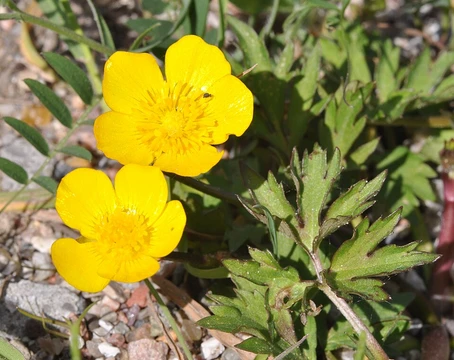
Apocynaceae
A diverse family of flowering plants, many toxic, some medicinal.

Wikipedia / Wikimedia Commons
Apocynaceae, known as the dogbane family, is a family of flowering plants that includes trees, shrubs, herbs, stem succulents, and vines. The name derives from Apocynum, Greek for 'dog-away,' because some taxa were used as dog poison. Notable members include oleander, dogbanes, milkweeds, wax plants, and periwinkles. The family is primarily native to tropical and subtropical regions of Asia, Africa, Australia, and the Americas, with some temperate members in Europe (such as Vinca). Many species are poisonous if ingested, containing alkaloids and cardiac glycosides, and some have been used as arrow poisons.
- field
- Botany
- known_for
- Includes many poisonous and medicinal plants, such as oleander and periwinkle
- number_of_species
- Approximately 5,100 species (as of 2012)
- number_of_genera
- 376 genera currently accepted
- subfamilies
- 5 subfamilies: Apocynoideae, Asclepiadoideae, Periplocoideae, Rauvolfioideae, Secamonoideae
- distribution
- Mainly tropical regions worldwide, with some temperate members
Lore & Background
The family Apocynaceae is morphologically diverse, including annual plants, perennial herbs, stem succulents, woody shrubs, trees, and vines. Most exude a milky latex when cut. Leaves are simple, usually opposite and decussate, without stipules or with small finger-like stipules. Flowers are complex, radially symmetric, bisexual, with a five-lobed calyx and five petals united into a tube. The fruit can be a drupe, berry, capsule, or follicle, and seeds are often winged or have long silky hairs.
Species are distributed mainly in tropical regions, from tall evergreen trees in Indomalayan forests to smaller trees in African and Indian deciduous forests, and lianas in South America, Africa, and Madagascar. In temperate Europe, only Vinca and Vincetoxicum are found. In North America, Apocynum (dogbane) was a traditional source of fiber. Several genera are preferred larval host plants for the Queen Butterfly.
Many species are toxic, with some extremely poisonous if ingested. Genera containing cardiac glycosides—such as Cerbera, Nerium, and Asclepias—have therapeutic ranges but are associated with accidental poisonings. Alkaloid-producing species like Rauvolfia serpentina and Catharanthus roseus are sources of compounds with therapeutic ranges but significant toxicities if not used appropriately.
Reader's Guide
Apocynaceae holds significance as a family of plants with profound economic, medicinal, and toxicological importance. Several members have been sources of important natural products, including cardiac glycosides affecting heart function, and alkaloids used in treating hypertension, cancer, and drug addiction. For example, Rauvolfia serpentina contains reserpine, used as an antihypertensive and antipsychotic, while Catharanthus roseus yields cancer-treating alkaloids. The family also includes plants used traditionally as hallucinogens (Tabernanthe iboga) and arrow poisons (Acokanthera species). Many genera are grown as ornamentals, such as oleander, periwinkle, and frangipani. Some have been used for rubber production (Landolphia) or fiber (Apocynum). Limited dietary uses exist, such as the edible fruit of Carissa and the flower of Echites panduratus. The family's toxicity requires careful handling, but its contributions to pharmacology and horticulture are substantial.
Did You Know?
- The family name Apocynaceae comes from Greek for 'dog-away,' because some taxa were used as dog poison.
- Many species exude a milky latex when cut, including Adenium species, which also produce milky latex, not clear sap.
- The former family Asclepiadaceae is now considered a subfamily (Asclepiadoideae) of Apocynaceae.
- Several genera are preferred larval host plants for the Queen Butterfly (Danaus gilippus).
Frequently Asked Questions
Who is Apocynaceae?
Apocynaceae, commonly called the dogbane family, is a large flowering plant family comprising roughly 5,100 species across 376 genera. It includes trees, shrubs, herbs, stem succulents, and vines found mostly in tropical and subtropical zones around the globe.
What are Apocynaceae's powers/role?
Many members produce potent alkaloids and cardiac glycosides that make them toxic if ingested, and some were historically used as arrow poisons. On the other hand, species like periwinkle and oleander have been harnessed in medicine for their therapeutic compounds.
How does Apocynaceae's story end?
The family is still very much alive and thriving, with members native to tropical and subtropical regions across Europe, Asia, Africa, Australia, and the Americas, plus a handful of temperate species. It is organized into five recognized subfamilies, including Apocynoideae, Asclepiadoideae, Periplocoideae, Rauvolfioideae, and Secamonoideae.
Why is Apocynaceae important?
It is one of the most botanically significant families because it houses both some of the world's most dangerous poisons and some of its most valuable medicinal plants. Its extraordinary diversity in growth form—from milkweeds to wax plants to periwinkles—makes it a key family in both ecology and pharmacology.
What's Apocynaceae's origin story?
The family name comes from the genus Apocynum, which traces back to a Greek phrase meaning 'dog-away,' a reference to the fact that certain members were historically used as dog poison. This grim etymology has stuck to the family ever since.
More in Flowering Plant Families 1-21
Spotted an error? Know more?
This is a living reference — every entry is fact-audited, and reader corrections feed straight into our audit queue. Suggest an edit · See this site's audit record